

Sleep Dentistry at Ernie Soto, DDS in Plantation FL
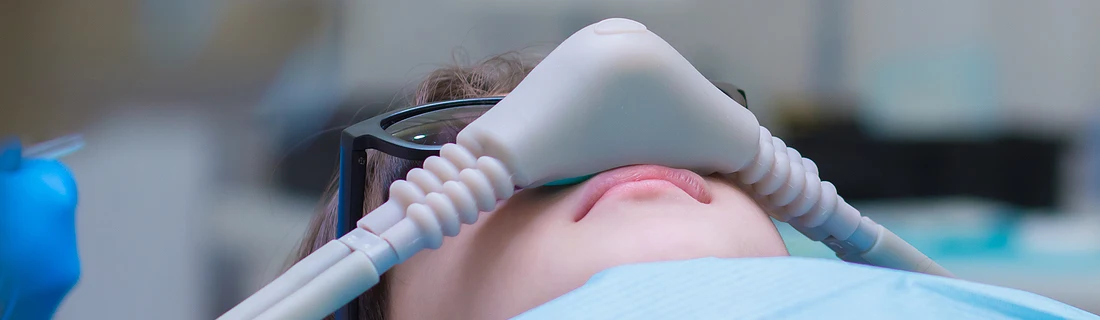
Nervousness about dental treatment is more widespread than many people recognize, and it should never prevent you from obtaining the care you require. At Ernie Soto, DDS, sleep dentistry services assist patients in feeling relaxed and comfortable during appointments while the team attentively monitors safety at each stage. The commitment is to render dental visits less stressful and more manageable for every patient.
How Sleep Dentistry Helps Patients Stay Relaxed During Dental Procedures
Numerous individuals experience nervousness prior to a dental appointment, particularly if a prior visit was uncomfortable or a longer procedure is required. Sleep dentistry assists patients in remaining calm and relaxed through sedation methods that diminish anxiety and render treatment more manageable.
Depending on the type of sedation used, patients may feel deeply relaxed, drowsy, or have little memory of the procedure. This can make it easier to complete treatment without the stress that some people associate with dental visits. Sleep dentistry also helps patients remain comfortable during procedures that require them to stay in the chair for a longer time.
When patients are more relaxed, dentists can often complete treatment more efficiently without frequent interruptions caused by anxiety or discomfort. This approach can improve the overall experience for people who avoid dental care because of fear or nervousness.
Sleep dentistry does not always mean a person is fully asleep; the type of sedation depends on the procedure, the patient's medical history, and the level of anxiety they experience. At Ernie Soto, DDS, we explain every step of the process, answer your questions, and recommend the most suitable sedation option based on your individual needs.
Medical Conditions and Patient Concerns That May Make Sleep Dentistry a Suitable Option
Sleep dentistry may be recommended for patients who have specific medical conditions or concerns that make dental treatment difficult without sedation. While not everyone needs sleep dentistry, it can provide additional comfort and support for people who experience physical or emotional challenges during dental procedures. A detailed evaluation helps determine if sedation is an appropriate choice.
Some situations where sleep dentistry may be beneficial include:
- Moderate to severe dental anxiety or fear.
- A strong gag reflex that interferes with treatment.
- Difficulty sitting still for extended procedures.
- Physical conditions that make remaining in one position uncomfortable.
- Patients requiring several treatments during one appointment.
- Previous experiences that have created fear of dental care.
The decision to use sleep dentistry is always based on a patient's overall health, current medications, age, and the complexity of the planned procedure. A dentist reviews these factors carefully before making a recommendation. In some cases, additional medical clearance may also be requested to ensure treatment can be provided safely.
Different Sedation Levels Used in Sleep Dentistry and When They Are Recommended
Sleep dentistry includes several types of sedation, and each one is designed for different treatment needs and patient comfort levels. The amount of sedation used depends on the type of dental procedure, the patient's anxiety level, and their medical history. A dentist selects the safest and most appropriate option after completing a careful assessment.
Common sedation options include:
- Nitrous oxide: A mild form of sedation that helps patients relax while remaining awake and able to respond.
- Oral sedation: Medication taken before the appointment that creates a deeper level of relaxation while the patient stays conscious.
- IV sedation: Medication delivered through a vein, offering a stronger and carefully controlled level of sedation for longer or more complex procedures.
- General anesthesia: Used in selected situations where complete unconsciousness is necessary and appropriate.
At Ernie Soto, DDS, we recommend sedation only after evaluating your treatment needs and overall health, ensuring your care is planned with both comfort and safety in mind.
The Safety Measures, Monitoring Equipment, and Professional Oversight Used During Sleep Dentistry
Patient safety is one of the most important parts of sleep dentistry. Before sedation is provided, the dental team reviews your medical history, medications, allergies, and any health conditions that could affect treatment. This information helps determine the safest sedation method and allows the dentist to prepare for your procedure with confidence. Careful planning also reduces potential risks and supports a smooth treatment experience.
During the procedure, trained professionals continuously monitor your condition using specialized equipment. Your heart rate, breathing, oxygen levels, and blood pressure are checked throughout treatment to ensure everything remains stable. The dental team stays with you at all times and adjusts the level of sedation when necessary. Emergency medications and equipment are also kept available, even though serious complications are uncommon.
After treatment, patients remain under observation until they are ready to leave the office safely. Recovery instructions are provided, and some forms of sedation require a responsible adult to drive the patient home.
How Dentists Assess Your Medical History and Treatment Needs Before Recommending Sleep Dentistry
Before recommending sleep dentistry, a dentist performs a detailed evaluation to decide if sedation is appropriate for the patient. This assessment helps reduce risks and ensures that the selected sedation method matches both the planned treatment and the patient's health. The goal is to provide effective care while maintaining the highest level of safety throughout the procedure.
During the consultation, the dentist typically reviews several important factors, including:
- Current medical conditions and overall health.
- Prescription medications, supplements, and allergies.
- Previous experiences with sedation or anesthesia.
- The type and length of the planned dental procedure.
- The patient's anxiety level and comfort concerns.
- Any special medical recommendations from healthcare providers.
Patients should answer all questions honestly and provide complete medical information. Even details that may seem unrelated can influence the choice of sedation. In some situations, additional medical records or approval from a physician may be needed before treatment begins.
Dental Procedures That Are Commonly Completed Using Sleep Dentistry for Greater Patient Comfort
Sleep dentistry can be used during many types of dental procedures, especially when treatment is lengthy, complex, or difficult for anxious patients to complete while fully awake. Sedation helps patients remain calm and comfortable, making it easier for the dental team to perform treatment without unnecessary interruptions.
The type of procedure and the patient's individual needs determine which sedation method is most appropriate. Common procedures performed with sleep dentistry include tooth extractions, dental implant placement, root canal treatment, periodontal procedures, multiple restorations completed during one visit, and certain oral surgery treatments.
Sedation may also be helpful for patients who have difficulty remaining still or experience a strong gag reflex during dental care. In many cases, completing several treatments during one appointment can reduce the number of future visits.
After the procedure, recovery depends on the type of sedation that was used. Some patients return to normal activities quickly, while others may need additional time before resuming their routine. Clear post-treatment instructions help support a smooth recovery.
Payment and Insurance
We believe every patient should have access to clear information about insurance coverage and payment options before starting treatment. At Ernie Soto, DDS, our staff will take the time to explain your benefits, discuss available payment methods, and guide you through the process with care. We also provide financing through CareCredit and LendingClub to help make treatment costs easier to manage.
Book Your Visit Today!
Don't let dental anxiety keep you from receiving the care you need. Contact Ernie Soto, DDS to learn more about sleep dentistry and schedule a consultation with our experienced team.
Contact Information:
Ernie Soto, DDS
10187 Cleary Blvd Ste 103
Phone: (954) 368-6264